

Waste Reduction Paramount to Sustainable Gym Operations
As the fitness industry increasingly moves towards sustainable practices, we recognise that reducing waste is a key consideration for gym owners and operators.
Gym equipment is an often-overlooked aspect of the recycling process, with many owners opting to replace, rather than refurbish, worn parts. Our re-upholstery services offer a greener and more cost-effective alternative, preventing 97.5% more waste from entering landfill sites.

Gym pads consist of three layers – a wooden or plastic base, thick foam, and polyvinyl chloride (PVC) fabric cover. The bonded wood and foam are difficult and expensive to recycle, while vinyl is non-biodegradable and almost impossible to sustainably dispose of, with a National Geographic study finding that plastics currently take up 79% of the space in landfills.
Plastic can only be recycled two or three times before its quality prevents it from being used in most applications. Conversely, gym pads can easily be reupholstered up to 10 times without needing to replace the wood or foam padding, making it an increasingly viable option for businesses in the health and fitness sector.
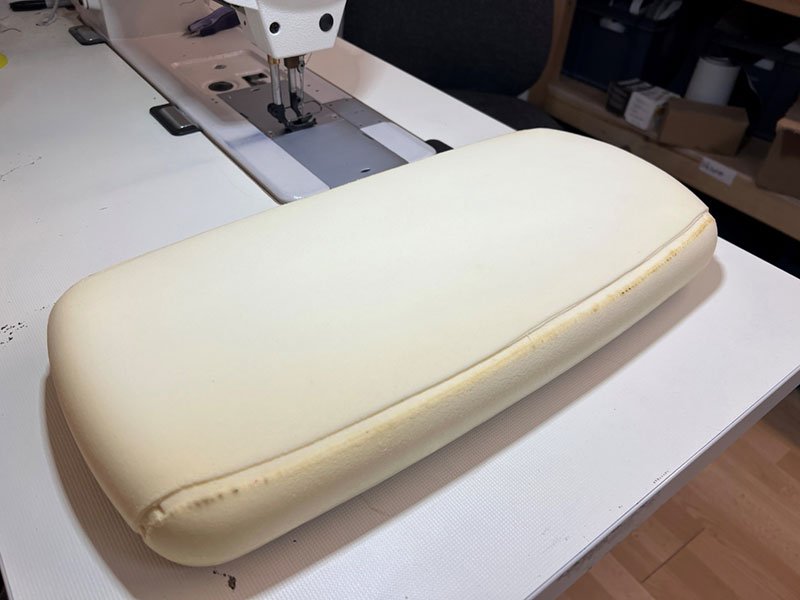
“Some larger operators tend to replace their gym pads when they show the earliest signs of wear and tear, which often leads to a large build-up of discarded equipment,” explains Managing Director Chris Medley.
“The average gym pad weighs approximately 4kg, but the material we remove from the pad weighs just 200g. That means that by reupholstering their equipment, our clients can reduce their waste by 95%.
“For every 1000 pads that we reupholster instead of replacing with new, we are saving approximately 3.8 tonnes of waste going into landfill.”
The latest government figures show that the UK generated 222.2 million tonnes of waste in 2018, with England accounting for 84% of that total. 19.75% of that waste was attributed to commercial and industrial businesses, including gyms and fitness centres.
Alongside re-upholstering pads, we are taking our commitment to waste reduction a step further to offer clients a high-quality fabric manufactured entirely from recycled plastic. Suitable for furniture and breakout areas, the material is flame-retardant, abrasion-resistant, and manufactured to IMO standards.
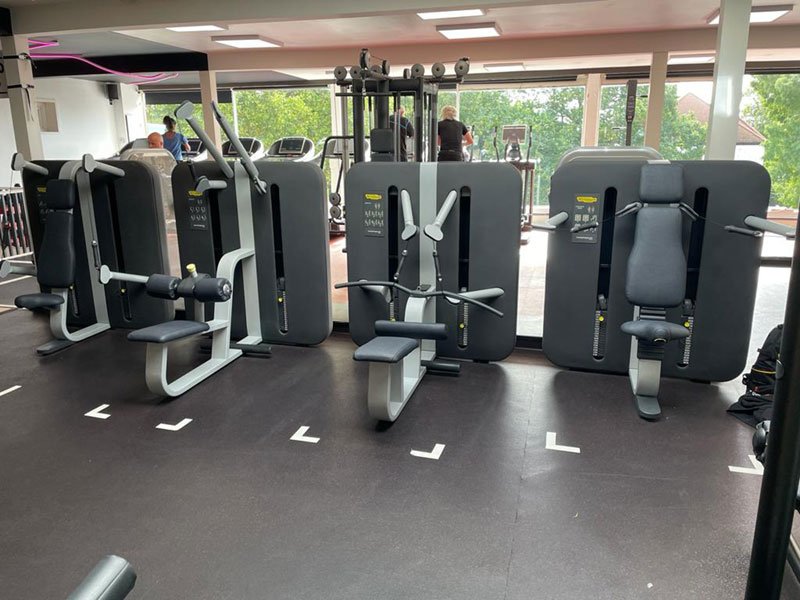
“Whilst we’re delighted to be able to give customers the option of sustainable fabrics for breakout areas, recycled fabrics are not yet available to recover gym equipment,” Chris adds. “The industry is moving in the right direction, but the need to reupholster pads instead of replacing them is still greater than ever.”
“Over the last few years, we have introduced a range of measures across the business to reduce waste and energy usage, including donating excess fabric to local schools and craft groups and installing energy-saving lighting and waste recycling streams at our manufacturing facility.
“In the current climate, sustainability is more than just a moral responsibility as it offers the opportunity to realise savings on operating costs and meet carbon zero targets. We’re committed to doing everything that we can to reduce our own carbon footprint and hope that the message is clear to gyms who may not have considered the environmental impact of replacing worn pads with new.”